How Toronto Brands Are Innovating Pop-Up Marketing with Local Creators
Pop-up events depend heavily on the people who attend and share the experience. For brands in Toronto, this means creators who capture the moment are just as important as the event itself. A launch, a limited-time shop, or a one-night activation only gains traction online if someone is there to film and share it. This creates a unique challenge for brands: how to find the right creators who can show up at the right place and time.
Most influencer platforms focus on pairing brands with creators for sponsored posts that can happen anywhere, anytime. But pop-ups are different. The location and timing are the core of the event. Toronto brands are adapting their strategies to meet this challenge and make the most of their pop-ups.
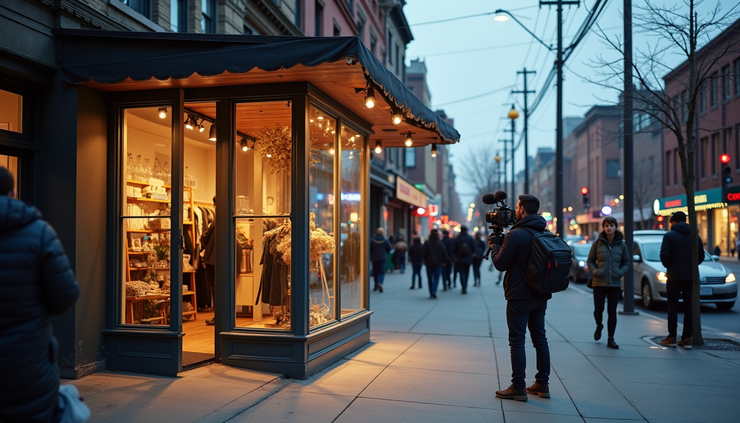
Prioritizing Local Reach Over Follower Count
One major shift is focusing on creators who have a strong local presence rather than just a large number of followers. A creator with 15,000 followers who lives in the neighborhood and whose audience is mostly local can bring more value to a one-night event than someone with 150,000 followers spread across the country.
Local relevance helps drive foot traffic on the night of the event. These creators know the area, understand the community, and can connect with potential attendees in a way that national influencers cannot. For example, a Toronto-based fashion brand recently booked a creator with 12,000 followers who regularly posts about local events and spots. The creator’s followers were mostly Toronto residents, which helped fill the pop-up with interested visitors.
Booking Creators Closer to the Event Date
Pop-ups often come together quickly, sometimes only weeks or days before launch. This means brands need to find and confirm creators fast. Traditional influencer campaigns that take six weeks or more to plan don’t work for these tight timelines.
Toronto brands are now using platforms and marketplaces that allow creators to post their availability by city and date. This makes it easier to find someone who can show up on short notice. For example, a local food brand used a marketplace to book creators just three days before their pop-up event. This quick turnaround helped them get fresh, authentic coverage without the usual delays.
Separating Preview Content from On-Site Coverage
Another new approach is treating preview content and on-site content as separate deliverables. Some creators are hired to build anticipation before the event by teasing it on their channels. Others are booked to attend the pop-up and share live updates.
Brands are learning to assign different rates for these two types of content instead of bundling everything into one vague fee. This clarity helps creators understand expectations and allows brands to budget more effectively. For example, a Toronto beauty brand hired one creator to post sneak peeks a week before the pop-up and another to cover the event live. This strategy generated buzz early and kept momentum during the event.
Using Specialized Marketplaces for Real-Time Campaigns
Platforms designed specifically for real-time, location-based campaigns are gaining popularity. One example is Influence IRL, a marketplace where creators list their availability by city and date. Brands can organize campaigns around a specific place and time instead of a generic content brief.
This approach fits the pop-up model perfectly. It allows brands to quickly find creators who can attend in person and deliver content that feels immediate and authentic. Toronto brands using these tools report smoother booking processes and better event coverage.
Practical Tips for Brands Planning Pop-Ups in Toronto
Focus on local creators: Look for creators who live in or near the neighborhood where the pop-up will happen. Their audience is more likely to attend.
Book late but fast: Use platforms that let you find creators close to your event date. Avoid long lead times that don’t fit pop-up schedules.
Define content types clearly: Separate teaser posts from live event coverage and set different rates for each.
Use location-based marketplaces: Choose tools built for campaigns tied to a specific place and time.
Communicate expectations: Be clear about what you want from creators, including timing, style, and deliverables.
Examples of Success in Toronto
A Toronto-based sneaker brand recently ran a weekend pop-up and booked three local creators through a city-focused marketplace. One creator posted a teaser story two days before the event, while the other two covered the pop-up live. The brand saw a 40% increase in foot traffic compared to previous events without creator involvement.
Another example is a local coffee roaster that used last-minute bookings to fill their one-night shop with creators who had strong neighborhood followivngs. The creators’ posts helped the brand sell out of limited-edition blends and build a loyal local customer base.
Toronto brands are finding new ways to connect with creators who can bring their pop-ups to life. By focusing on local reach, booking quickly, and separating content types, they are improving event attendance and online engagement. Tools like Influence IRL make it easier to find creators who fit the unique needs of pop-ups.
If you are planning a pop-up in Toronto, consider these strategies to make your event stand out and reach the right audience. The right creators can turn a one-night activation into a memorable experience that lives on well after the doors close.

